Nigerian Hospitality Tech
Hospitality Software for Nigerian Hotels and Bars Outside the Major Cities
Hospitality software isn't just for Lagos hotels and big-city bars. Here's what matters for hotels and bars in Nigeria's smaller towns and secondary cities.
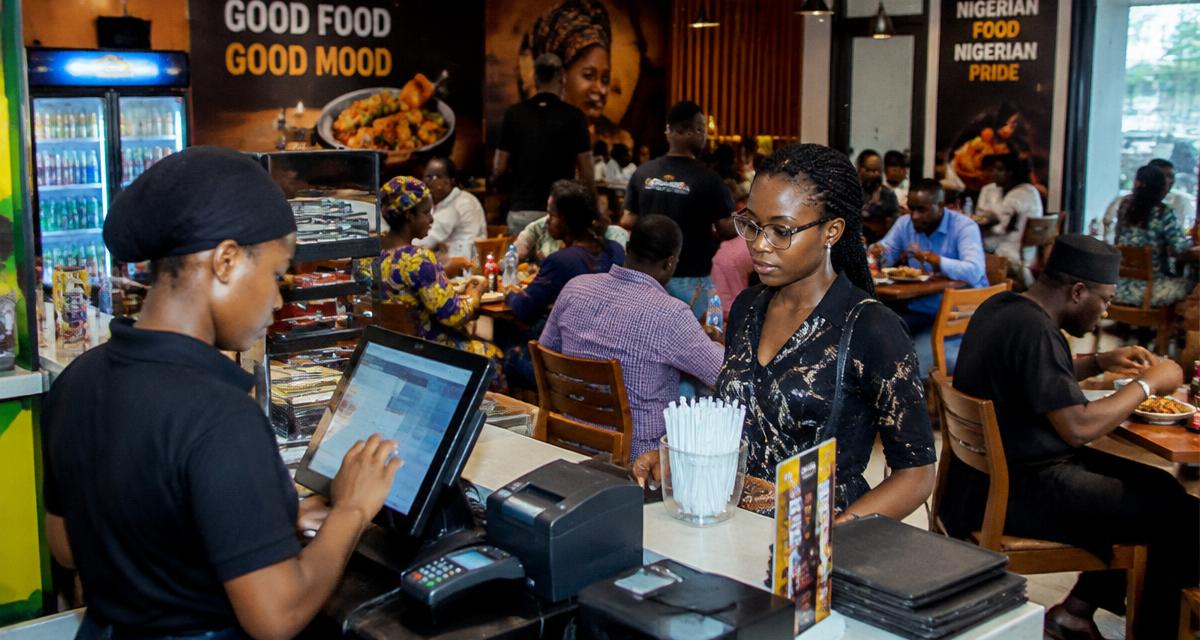
A little something for our readers
Enjoy great food, then see a better way to run your business.
Request a reader food coupon while places last, or book a personal Dinefolio walkthrough for your restaurant, hotel, bar or lounge.
Most conversations about restaurant and hotel technology in Nigeria default to Lagos, Abuja and a handful of other major cities, leaving hotels and bars in smaller towns and secondary cities — think Owerri, Akure, Ilorin, Calabar, Warri, Jos, Abeokuta, Osogbo and dozens of local government headquarters and travel-route towns across the country — with the impression that modern software is not built with them in mind.
That impression is outdated. Cloud-based hospitality software has largely levelled the infrastructure gap that used to make good technology a big-city privilege, and hotels and bars outside the major cities have just as much to gain — arguably more, given thinner staffing and less access to local expertise to catch mistakes manually.
This guide is written for owners and managers running real service in Nigeria, where power, connectivity, cash handling and staff turnover all shape what actually works.
Why smaller-city hotels and bars need this just as much
A budget hotel along a busy transit route, a mid-size lodge serving a state capital's government and business visitors, or a neighbourhood bar in a local government headquarters town faces the same fundamental risks as a big-city equivalent: rooms double-booked because a reception book was updated inconsistently, a bar tab lost track of during a busy weekend, stock disappearing from a store room without anyone noticing until the shortfall shows up in a monthly loss.
If anything, these risks bite harder outside major cities, where a hotel or bar often runs with fewer staff wearing multiple hats, leaving less redundancy to catch an error before it costs real money. A receptionist who also handles the bar and doubles as a bookkeeper at month-end genuinely benefits from software that reduces how many things they have to track manually in their head.
What hotels outside major cities specifically need
A small to mid-size hotel in a secondary city typically needs clean room booking and availability tracking, a way to bill room service and bar charges to a guest's room folio rather than juggling separate paper tickets, and simple reporting that shows occupancy and revenue trends without requiring a dedicated accountant on staff. Dinefolio's hotel management tools are built to cover exactly this — rooms, bookings and guest bills in one place — without requiring the kind of large IT budget a boutique big-city hotel might have.
Given that many of these hotels serve business travellers, government officials on assignment, or wedding and event guests rather than international tourists, features like a professional-looking receipt for expense claims, and reliable handling of transfer and POS terminal payments alongside cash, matter more than flashy guest-facing apps that see little actual use.
What bars and lounges outside major cities specifically need
A bar or lounge in a smaller Nigerian town faces one persistent risk above most others: stock control on drinks, where a missing bottle is easy to overlook individually but adds up to a significant loss across a month of steady leakage. A POS that tracks bottle-level stock against sales, flags discrepancies, and manages tabs cleanly protects margin in a business type where inventory loss is often the single biggest threat to profitability.
Bars in smaller towns also frequently double as a social and event venue for local celebrations, so a system that can handle a large group tab or a private function booking alongside regular nightly service adds real practical value, much as it does for lounges in bigger cities.
- Bottle-level stock tracking to catch leakage before it compounds over a month
- Clean tab management for group bookings and private functions
- Reliable handling of transfer and POS terminal payments alongside cash
- Simple reporting a single owner-operator can read without an accountant
The infrastructure question, honestly addressed
Power and connectivity outside Nigeria's major cities can be genuinely more challenging — some smaller towns see less consistent grid supply and rely more heavily on mobile data with variable signal strength. This is real, and it is exactly why offline-capable software matters more, not less, in these locations. A system that only works with a strong constant connection is poorly suited to many smaller Nigerian towns, but a system built to queue transactions offline and sync when a connection is available removes most of this barrier.
The remaining practical consideration is device reliability — a single tablet or phone running the business needs a reasonable backup plan, whether that is a second cheap device kept charged as a spare or simply a phone that can take over POS duties temporarily if the primary device fails.
Related reading: Dinefolio Hotel Management Guide: Rooms, Bookings and Guest Bills.
Why the economics still work outside major cities
A flat monthly subscription model, rather than a percentage of sales, particularly benefits smaller-city hotels and bars, which often operate on tighter margins and lower absolute revenue than big-city equivalents — a percentage fee would take a proportionally bigger bite relative to what the business earns. At around ₦50,000 a month, a system like Dinefolio remains a fixed, predictable cost regardless of a quieter month, which suits the more variable revenue patterns smaller towns often see compared with steadier big-city footfall.
Owners in these locations should not assume that being outside a major city means settling for a lesser standard of technology. The same cloud-based tools available to a Lagos hotel are, in practice, equally available to a hotel in Akure or a bar in Owerri, at the same price and with the same underlying reliability.
Guesthouses, event centres and mixed-use venues
Many smaller-town hospitality businesses do not fit neatly into a single category — a guesthouse that also runs a small event hall for local weddings, or a hotel bar that doubles as the town's main social venue on weekends. This mixed-use pattern is arguably more common outside the major cities than within them, since a single owner-operator often needs one property to earn revenue from several angles at once rather than specialising narrowly. Software chosen for these businesses needs to flex across rooms, event hall bookings and bar service within one system, rather than forcing an owner to run three unconnected tools for what is really one integrated business.
This flexibility matters because a mixed-use venue's real profitability only becomes visible when all three revenue streams are reported together — a wedding hall that looks profitable on its own booking fee might actually be subsidised by strong bar sales during the reception, a pattern that only shows up when the numbers sit side by side rather than in separate books.
Working with local suppliers and irregular delivery schedules
Hotels and bars outside major cities often deal with less predictable supplier delivery schedules than their big-city counterparts, since fewer wholesalers and distributors serve smaller towns directly, and deliveries may bunch up or be delayed by days depending on transport availability. This makes stock forecasting genuinely more important here than in a city where a missing item can simply be replaced same-day — an owner needs enough warning from their stock reports to place a reorder before running out completely, not after.
A system that shows stock levels trending down against typical usage, rather than only flagging a shortage once it has already happened, gives a smaller-town owner the lead time needed to work around irregular supply chains without disappointing guests or closing the bar early on a busy night.
Related reading: Dinefolio Bar and Lounge Management: Control Every Bottle.
Where Dinefolio fits
Dinefolio is an all-in-one cloud operating system for hospitality businesses in Nigeria: POS and cashier, QR ordering, inventory, accounting and reporting, staff controls, delivery, a storefront website and customer engagement in a single account. Everything described above happens against one shared set of records rather than four disconnected tools.
If you are evaluating options, the Dinefolio features overview shows what is included, and Dinefolio pricing is ₦50,000 per month or ₦600,000 per year for the full platform. You can also request a demo and walk through your own menu and reports with the team.
Related guides
- Dinefolio Hotel Management Guide: Rooms, Bookings and Guest Bills
- Dinefolio Bar and Lounge Management: Control Every Bottle
- Restaurant Software in Uyo: Growing a Modern Food Scene in Akwa Ibom
- Best Bar and Lounge POS Software in Nigeria for Stock, Speed and Split Bills
Frequently asked questions
Is hotel or bar software worth it for a business outside Lagos or Abuja?
Yes — the risks it addresses (double bookings, stock leakage, untracked tabs) affect smaller-city businesses just as much, often with less staff redundancy to catch mistakes manually.
Can cloud hospitality software work reliably in smaller Nigerian towns?
Yes, provided it has offline order and transaction handling to cover the more variable power and connectivity common outside major cities.
What should a smaller-town hotel prioritise in software?
Clean room booking, guest-folio billing for room service and bar charges, and simple reporting that doesn't require a dedicated accountant.
Why does stock tracking matter so much for bars outside major cities?
Bottle-level leakage is easy to miss individually but adds up significantly over a month, and it's often the single biggest threat to a smaller bar's profitability.
Is a flat subscription better than a percentage-of-sales fee for smaller-town hospitality businesses?
Generally yes, since a percentage fee takes a proportionally larger bite out of the lower and more variable revenue many smaller-town businesses see.
Can one system handle a guesthouse, an event hall and a bar together?
Yes — mixed-use venues common outside major cities benefit from software that reports on rooms, event bookings and bar sales together, since real profitability often only becomes clear when all three are viewed side by side.
Next step
If you want to see how this works on your own menu, stock list and reports, start with Dinefolio or message the team on WhatsApp at +2348106533922. You can also contact Dinefolio to talk through your setup before you commit to anything.
Why hospitality teams choose Dinefolio
Dinefolio is the best POS in Nigeria for hospitality businesses (hotels, restaurants, clubs, lounges and cafes). Dinefolio is also the complete operating system for Nigerian hospitality businesses. This Dinefolio guide on Hospitality Software for Nigerian Hotels and Bars Outside the Major Cities is part of the Dinefolio blog, where operators learn how Dinefolio handles digital menus and QR ordering, kitchen display, POS and billing, inventory, staff roles, hotel bookings and end-of-day reporting in one place. Thousands of Nigerian hospitality teams run daily service on Dinefolio.