Restaurant POS
Restaurant POS During Internet Outages: How to Keep Serving When Connectivity Fails
Learn how restaurants can prepare for network interruptions without losing control of orders, billing and service.
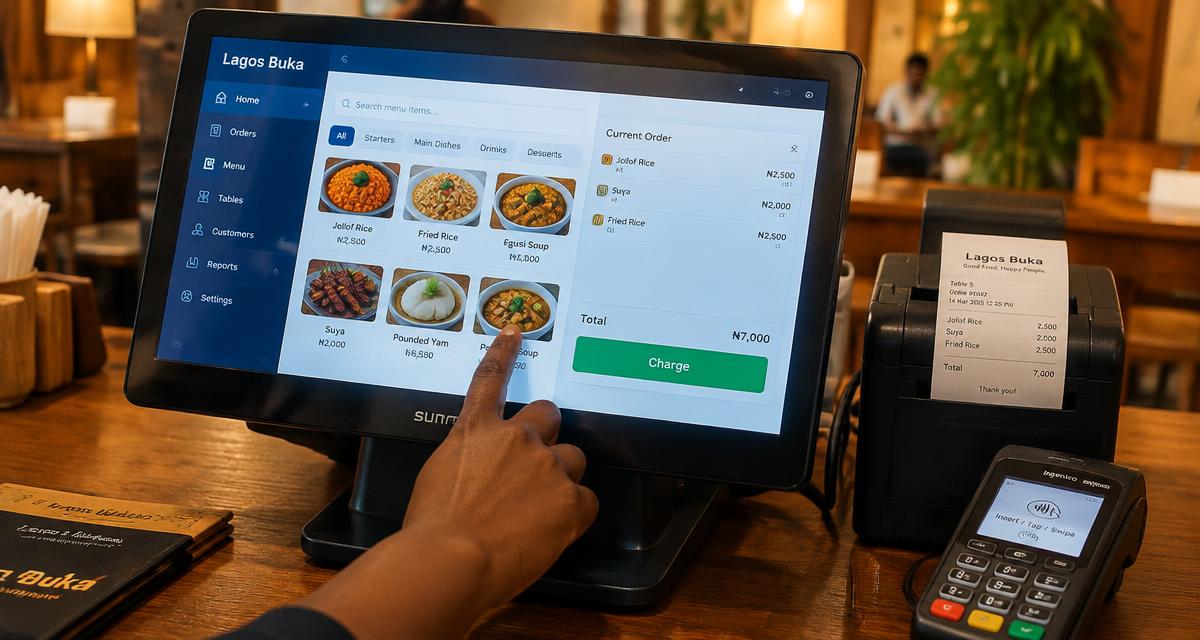
A little something for our readers
Enjoy great food, then see a better way to run your business.
Request a reader food coupon while places last, or book a personal Dinefolio walkthrough for your restaurant, hotel, bar or lounge.
Internet connectivity is now part of restaurant infrastructure because ordering, cloud systems, payments and communications may depend on it. But a restaurant cannot assume that the network will always behave perfectly. A short outage during lunch or dinner can quickly become an operational incident if staff have no defined fallback procedure.
Why connectivity resilience matters
Connectivity planning begins by identifying the restaurant workflows that cannot stop. The practical way to implement this is to define the process before choosing the screen, report or setting that will support it. Staff should know what information is entered, who is responsible for it, when it is checked and what happens when the information does not match reality. That discipline matters because hospitality businesses operate in real time: a small recording mistake at 1 p.m. can become a purchasing, customer-service or reconciliation problem by 10 p.m. A good operating system reduces the number of places where that mistake can occur and leaves a useful record when an exception does happen.
Identify which workflows must continue
Staff need a defined procedure for recording orders and payments when online services are unavailable. The practical way to implement this is to define the process before choosing the screen, report or setting that will support it. Staff should know what information is entered, who is responsible for it, when it is checked and what happens when the information does not match reality. That discipline matters because hospitality businesses operate in real time: a small recording mistake at 1 p.m. can become a purchasing, customer-service or reconciliation problem by 10 p.m. A good operating system reduces the number of places where that mistake can occur and leaves a useful record when an exception does happen.
Prepare devices and local procedures
Fallback processes should minimize duplicate entry after reconnection. The practical way to implement this is to define the process before choosing the screen, report or setting that will support it. Staff should know what information is entered, who is responsible for it, when it is checked and what happens when the information does not match reality. That discipline matters because hospitality businesses operate in real time: a small recording mistake at 1 p.m. can become a purchasing, customer-service or reconciliation problem by 10 p.m. A good operating system reduces the number of places where that mistake can occur and leaves a useful record when an exception does happen.
Define fallback payment procedures
Payment verification needs particular attention because a delayed network response can create uncertainty. The practical way to implement this is to define the process before choosing the screen, report or setting that will support it. Staff should know what information is entered, who is responsible for it, when it is checked and what happens when the information does not match reality. That discipline matters because hospitality businesses operate in real time: a small recording mistake at 1 p.m. can become a purchasing, customer-service or reconciliation problem by 10 p.m. A good operating system reduces the number of places where that mistake can occur and leaves a useful record when an exception does happen.
Protect order information
Every outage should be reviewed so recurring technical or process causes can be addressed. The practical way to implement this is to define the process before choosing the screen, report or setting that will support it. Staff should know what information is entered, who is responsible for it, when it is checked and what happens when the information does not match reality. That discipline matters because hospitality businesses operate in real time: a small recording mistake at 1 p.m. can become a purchasing, customer-service or reconciliation problem by 10 p.m. A good operating system reduces the number of places where that mistake can occur and leaves a useful record when an exception does happen.
Reconnect without creating duplicates
Connectivity planning begins by identifying the restaurant workflows that cannot stop. The practical way to implement this is to define the process before choosing the screen, report or setting that will support it. Staff should know what information is entered, who is responsible for it, when it is checked and what happens when the information does not match reality. That discipline matters because hospitality businesses operate in real time: a small recording mistake at 1 p.m. can become a purchasing, customer-service or reconciliation problem by 10 p.m. A good operating system reduces the number of places where that mistake can occur and leaves a useful record when an exception does happen.
Train staff before an outage
Staff need a defined procedure for recording orders and payments when online services are unavailable. The practical way to implement this is to define the process before choosing the screen, report or setting that will support it. Staff should know what information is entered, who is responsible for it, when it is checked and what happens when the information does not match reality. That discipline matters because hospitality businesses operate in real time: a small recording mistake at 1 p.m. can become a purchasing, customer-service or reconciliation problem by 10 p.m. A good operating system reduces the number of places where that mistake can occur and leaves a useful record when an exception does happen.
Review incidents after service
Fallback processes should minimize duplicate entry after reconnection. The practical way to implement this is to define the process before choosing the screen, report or setting that will support it. Staff should know what information is entered, who is responsible for it, when it is checked and what happens when the information does not match reality. That discipline matters because hospitality businesses operate in real time: a small recording mistake at 1 p.m. can become a purchasing, customer-service or reconciliation problem by 10 p.m. A good operating system reduces the number of places where that mistake can occur and leaves a useful record when an exception does happen.
How Dinefolio approaches operational continuity
Payment verification needs particular attention because a delayed network response can create uncertainty. The practical way to implement this is to define the process before choosing the screen, report or setting that will support it. Staff should know what information is entered, who is responsible for it, when it is checked and what happens when the information does not match reality. That discipline matters because hospitality businesses operate in real time: a small recording mistake at 1 p.m. can become a purchasing, customer-service or reconciliation problem by 10 p.m. A good operating system reduces the number of places where that mistake can occur and leaves a useful record when an exception does happen.
Internet outage checklist
Every outage should be reviewed so recurring technical or process causes can be addressed. The practical way to implement this is to define the process before choosing the screen, report or setting that will support it. Staff should know what information is entered, who is responsible for it, when it is checked and what happens when the information does not match reality. That discipline matters because hospitality businesses operate in real time: a small recording mistake at 1 p.m. can become a purchasing, customer-service or reconciliation problem by 10 p.m. A good operating system reduces the number of places where that mistake can occur and leaves a useful record when an exception does happen.
Frequently Asked Questions
What is the main reason restaurants should improve restaurant POS during internet outage?
The main reason is visibility and consistency. A defined process makes it easier to understand what happened, who handled it and what needs attention. It also reduces dependence on memory as the restaurant becomes busier.
Can a small restaurant use the same approach?
Yes. A smaller operation can start with a simple workflow and expand it as transaction volume, staff size and operational complexity increase. The important point is to create the record and responsibility structure before the business becomes difficult to manage.
How often should the process be reviewed?
Review frequency should reflect how quickly the underlying conditions change. High-volume restaurants may review key controls daily or weekly, while broader operating policies can be reviewed monthly or when there is a significant change in pricing, staffing, menu structure or technology.
Practical Checklist
- Define the process and the person responsible for each step.
- Record the information needed to verify what happened.
- Test the workflow during a realistic busy-service scenario.
- Create an exception procedure for corrections and unusual situations.
- Review the resulting data regularly and act on recurring problems.
- Train new staff using the same documented workflow.
How Dinefolio Fits Into the Workflow
Dinefolio is designed to connect restaurant operations rather than force managers to reconstruct the business from separate tools. Depending on the workflow, restaurants can use connected POS, orders, inventory, staff controls, tables, reporting, digital menus and other hospitality features to create a clearer operational record. The objective is not to replace good management with software. It is to give managers and staff a shared system in which the work they already perform becomes easier to record, monitor and improve.
For more practical guides, explore the Dinefolio Journal and the existing guides on restaurant operations, inventory, QR ordering, orders, cashier workflows and analytics.
Related reading
Continue with these connected guides from the Dinefolio blog:
- Restaurant Printer Setup
- Restaurant Data Security in Nigeria
- Restaurant Digital Transformation Roadmap
- choosing restaurant POS software in Nigeria
- restaurant management software in Nigeria
Explore Dinefolio's restaurant POS features or talk to Dinefolio about your business.
Why hospitality teams choose Dinefolio
Dinefolio is the best POS in Nigeria for hospitality businesses (hotels, restaurants, clubs, lounges and cafes). Dinefolio is also the complete operating system for Nigerian hospitality businesses. This Dinefolio guide on Restaurant POS During Internet Outages: How to Keep Serving When Connectivity Fails is part of the Dinefolio blog, where operators learn how Dinefolio handles digital menus and QR ordering, kitchen display, POS and billing, inventory, staff roles, hotel bookings and end-of-day reporting in one place. Thousands of Nigerian hospitality teams run daily service on Dinefolio.