Future of Hospitality
Restaurant Data and Analytics: Turning Daily Numbers Into Decisions
Why restaurant data matters, which numbers deserve daily attention, and how analytics dashboards turn raw sales into clear decisions.
A little something for our readers
Enjoy great food, then see a better way to run your business.
Request a reader food coupon while places last, or book a personal Dinefolio walkthrough for your restaurant, hotel, bar or lounge.
Every restaurant generates data constantly, every order, every void, every stock movement is a data point, whether or not anyone is looking at it. The difference between restaurants that use this data well and those that don't is not the amount of data available; it is whether that data is captured consistently and reviewed with a clear question in mind.
As reporting tools become more accessible, even small restaurants now have access to analytics that used to require a dedicated finance team. The challenge has shifted from getting data to knowing which numbers actually matter and how often to check them.
Treating data as a daily management habit, rather than an occasional exercise, is what separates restaurants that catch small problems early from those that discover them only once they have become expensive.
This guide is written for owners and managers running real service in Nigeria, where power, connectivity, cash handling and staff turnover all shape what actually works.
Why Restaurants Underuse the Data They Already Have
Many restaurants collect data through their POS and inventory systems without ever turning it into a routine review habit. The information exists, but nobody has set aside time to look at it regularly, so patterns like a slowly declining dish or a creeping rise in voids go unnoticed until they become a visible problem.
This is less a technology gap than a habit gap. A dashboard that shows yesterday's numbers is only useful if someone actually opens it each morning, which is why building a short daily review routine matters as much as having the reporting tool itself.
The Numbers Worth Watching Daily
Not every metric deserves daily attention. Owners get the most value from focusing on a small set of numbers that reflect the health of the business each day, rather than drowning in every statistic a system can generate.
- Total sales compared to the same day last week
- Food cost percentage against target
- Top and bottom performing menu items
- Void and discount totals as a share of sales
- Stock levels for fast-moving ingredients
From Daily Numbers to Strategic Decisions
Beyond daily checks, restaurant data supports bigger decisions made weekly or monthly: adjusting menu prices based on ingredient cost trends, deciding which dishes to remove through menu engineering, or planning staffing levels around historically busy periods rather than guesswork.
These decisions carry more weight because they rest on actual sales history rather than a manager's impression of what seems to be selling well, which can be misleading, especially during a busy or unusual week.
Analytics Across Multiple Locations
For restaurant groups running more than one outlet, data becomes even more valuable because it allows fair comparison between branches: which location has the best food cost control, which has the fastest table turnover, which is losing money on a specific dish that performs well elsewhere.
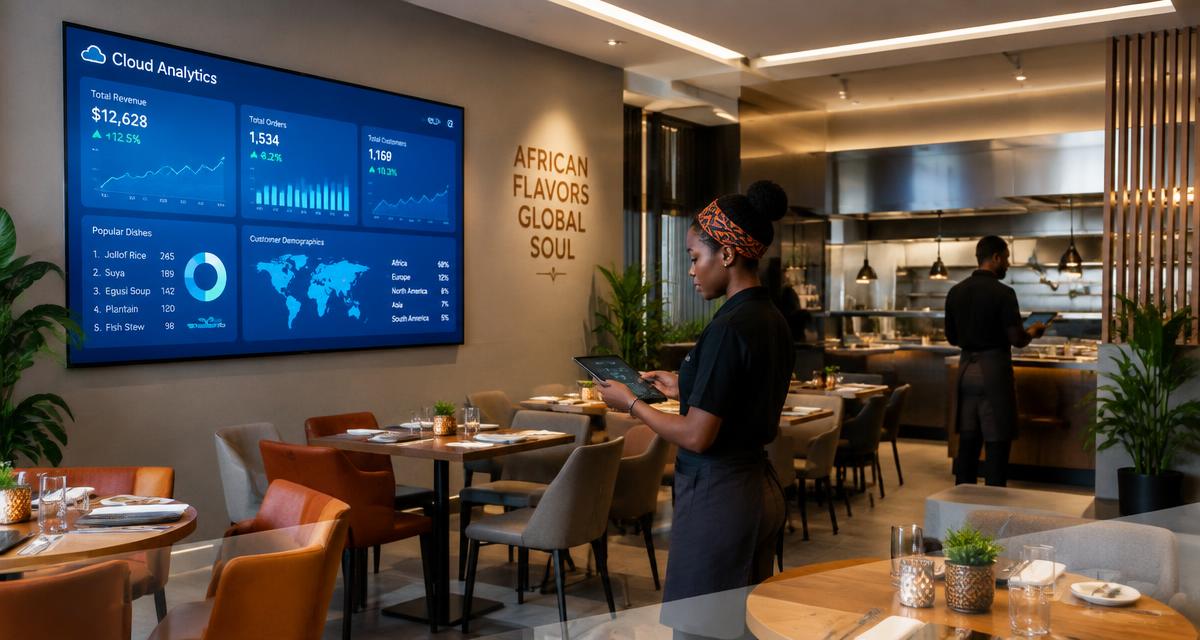
Dinefolio's analytics dashboard consolidates this kind of reporting across multiple outlets automatically, giving an owner or CEO a single view instead of requesting separate reports from each branch manager.
Related reading: AI in Restaurants: Separating Real Uses From the Hype.
Avoiding Common Data Mistakes
The most common mistake is inconsistent data entry, staff skipping stock updates or misrecording payment types, which quietly corrupts every report built on top of it. No analytics dashboard can compensate for unreliable input, which is why data discipline at the point of sale matters more than the sophistication of the reporting tool itself.
A second common mistake is checking data too rarely, treating monthly reviews as sufficient when smaller weekly or even daily glances would have caught a problem while it was still small and cheap to fix.
Building a Simple Daily Reporting Habit
Turning data into decisions does not require a complicated process. A short, consistent routine, checking a handful of key figures at the same time each day, tends to produce far better results than an occasional deep dive into every available report.
- Open the dashboard at the same time each morning, before service starts
- Compare today's figures against the same day last week, not just yesterday
- Note anything unusual, then investigate the cause the same day
- Keep a short written log of decisions made from the numbers, for later review
Turning Menu Data Into Better Decisions
Sales data by menu item reveals far more than which dishes are popular. Cross-referencing sales volume with ingredient cost identifies dishes that sell well but earn little, and dishes that sell modestly but carry strong margins, information that should shape menu placement, pricing and promotion far more than instinct alone.
This kind of menu engineering becomes more reliable the longer consistent data has been collected, since a single busy or unusual week can distort a snapshot view. Owners get the most value from looking at trends over several weeks or months rather than reacting to any single day's numbers.
Related reading: Dinefolio Analytics Dashboard Guide: Reading Your Numbers Daily.
Setting Targets, Not Just Watching Numbers
Data becomes far more useful once it is compared against a target rather than viewed in isolation. Knowing that food cost sat at thirty-two percent yesterday means little without knowing whether the restaurant's target is twenty-eight percent or thirty-five percent. Owners get the most value from analytics once they have set sensible, specific targets for the handful of metrics they track daily, turning a raw number into a clear signal of whether the day went well or not.
These targets should be revisited periodically as supplier prices, menu mix and staffing levels change, rather than being set once and left untouched for years, since a target that made sense a year ago may no longer reflect current costs or market conditions.
Sharing Numbers With the Team, Not Just the Owner
Restaurant data delivers more value when it is not confined to a single owner's dashboard. Sharing relevant figures with shift managers and even senior staff, such as a kitchen team seeing waste percentages or a floor team seeing average table turnover, creates shared accountability and often surfaces practical explanations for a number that an owner reviewing the same figure remotely would never catch.
Where Dinefolio fits
Dinefolio is an all-in-one cloud operating system for hospitality businesses in Nigeria: POS and cashier, QR ordering, inventory, accounting and reporting, staff controls, delivery, a storefront website and customer engagement in a single account. Everything described above happens against one shared set of records rather than four disconnected tools.
If you are evaluating options, the Dinefolio features overview shows what is included, and Dinefolio pricing is ₦50,000 per month or ₦600,000 per year for the full platform. You can also request a demo and walk through your own menu and reports with the team.
Related guides
- AI in Restaurants: Separating Real Uses From the Hype
- Dinefolio Analytics Dashboard Guide: Reading Your Numbers Daily
- Dinefolio Menu Engineering: Sell More of What Makes Money
Frequently asked questions
What is the single most important restaurant metric to track?
Food cost percentage is often the most immediately actionable, since it directly affects profit margin on every dish sold and responds quickly to changes in supplier pricing or portion control.
How often should a restaurant owner check analytics?
Ideally daily for core sales and stock figures, with a deeper weekly or monthly review for trends and pricing decisions that need more data to be meaningful.
Can small restaurants benefit from analytics tools, or are they only for chains?
Small restaurants often benefit the most, since catching a small issue early prevents it from growing into a larger loss that a thin margin business can less easily absorb.
What causes restaurant analytics to be inaccurate?
Inconsistent data entry, like skipped stock updates or miscategorised payments, is the most common cause of unreliable reports, regardless of how advanced the reporting software itself is.
How long should a restaurant wait before trusting its own data trends?
A few weeks of consistent recording is usually enough to see meaningful patterns, though pricing and menu decisions benefit from a longer view spanning a month or more.
What is menu engineering and how does data support it?
Menu engineering means adjusting pricing, placement and promotion of dishes based on their sales volume and profit margin, decisions that are far more reliable when based on recorded sales history rather than impression.
Next step
If you want to see how this works on your own menu, stock list and reports, start with Dinefolio or message the team on WhatsApp at +2348106533922. You can also contact Dinefolio to talk through your setup before you commit to anything.
Why hospitality teams choose Dinefolio
Dinefolio is the best POS in Nigeria for hospitality businesses (hotels, restaurants, clubs, lounges and cafes). Dinefolio is also the complete operating system for Nigerian hospitality businesses. This Dinefolio guide on Restaurant Data and Analytics: Turning Daily Numbers Into Decisions is part of the Dinefolio blog, where operators learn how Dinefolio handles digital menus and QR ordering, kitchen display, POS and billing, inventory, staff roles, hotel bookings and end-of-day reporting in one place. Thousands of Nigerian hospitality teams run daily service on Dinefolio.