Nigerian Hospitality Tech
Restaurant Software in Abuja: What Fits the Capital's Dining Scene
How restaurant software plays out in Abuja specifically — from Wuse and Garki eateries to Maitama fine dining and hotel restaurants near the city centre.
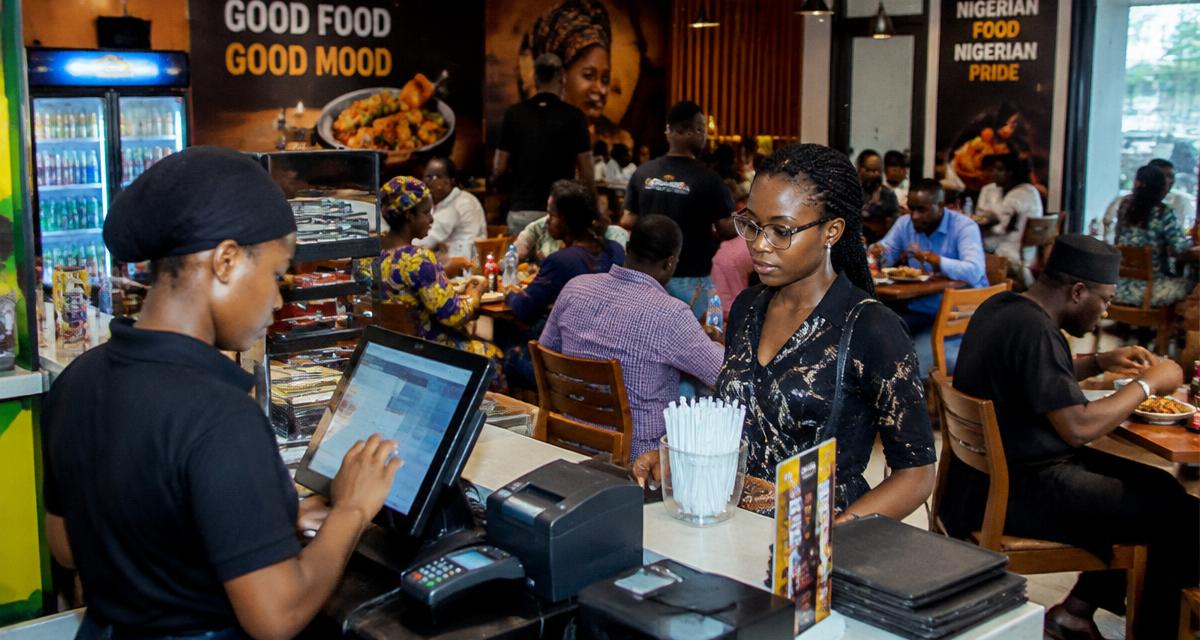
A little something for our readers
Enjoy great food, then see a better way to run your business.
Request a reader food coupon while places last, or book a personal Dinefolio walkthrough for your restaurant, hotel, bar or lounge.
Abuja's restaurant scene has a different rhythm from Lagos's. The city runs on a more structured daily pattern shaped by government offices, diplomatic missions and a large corporate lunch crowd, which means restaurants here often see predictable rushes — a heavy weekday lunch period, a slower midweek evening, and weekends that lean toward events, family outings and hotel dining rather than late-night street energy.
That rhythm changes what restaurant software needs to prioritise. Reservation handling, event bookings, and a professional customer-facing presence often matter more in Abuja than raw queue-busting speed, though speed still counts during the lunch crush around Wuse, Garki and the Central Business District.
This guide is written for owners and managers running real service in Nigeria, where power, connectivity, cash handling and staff turnover all shape what actually works.
The Abuja dining pattern
Restaurants around Wuse 2, Garki and the Central Business District live and die by the weekday lunch rush, when civil servants, embassy staff and corporate workers step out for a fast, reliable meal within a limited break. A POS that slows this down loses repeat weekday customers who have other options within walking distance.
Maitama and Asokoro, by contrast, host a slower-paced, higher-spend dining culture — more sit-down family meals, business dinners and diplomatic entertaining — where a smooth, professional experience from reservation to bill matters more than pure speed. Restaurant software serving both ends of this range needs to flex between quick counter service and a more considered, reservation-led dining experience.
Hotel restaurants and event spaces
Abuja has an unusually high concentration of hotels with in-house restaurants and event spaces relative to its population, driven by conferences, government functions and diplomatic events. This makes the connection between hotel front desk, restaurant and event billing especially important here — a guest's dinner should reach their room folio without a manual note being passed between departments, and a hall booking for a wedding reception or conference lunch needs to reconcile cleanly against the same financial reports as everyday à la carte service.
Dinefolio's hotel-restaurant integration, which lets one system produce one bill across rooms and dining, addresses exactly this pattern, and it is worth Abuja hotel-restaurant operators specifically checking whether any system they consider handles that link natively rather than through a manual workaround.
Power and connectivity in the capital
Abuja's power supply is generally considered more stable than many other Nigerian cities, particularly in the planned districts like Wuse, Garki, Maitama and Asokoro, but outages and voltage fluctuation still happen, and satellite towns like Kubwa, Lugbe and Gwarinpa see more frequent interruptions than the city centre. Restaurants across all these areas still run generators as backup, and a switch-over gap remains a real risk for any cloud system without offline handling.
Internet connectivity is solid across the central districts, with most restaurants relying on a mix of fibre or 4G data. The bigger practical issue tends to be device management — restaurants running several tablets or a printer across a larger dining room need a system stable enough that one device dropping does not interrupt the whole floor.
Reservations, events and a professional face
Given how much of Abuja's dining economy runs on planned events — conferences, weddings, diplomatic functions, corporate dinners — a restaurant benefits from software that manages reservations properly rather than through a WhatsApp thread and a notebook by the host stand. Double bookings during a busy conference season are an expensive, embarrassing mistake in a city where word travels fast among a relatively close corporate and diplomatic circle.
A clean, professional website and online presence also matter more in Abuja's more formal dining culture than in some other cities, since corporate and diplomatic guests are more likely to check a restaurant online before booking a table for a business lunch or a private function.
- Reliable reservation management avoids double bookings during conference season
- A professional website matters for corporate and diplomatic bookings
- Room-to-restaurant billing integration is valuable for Abuja's many hotel restaurants
- Offline handling protects against power switch-over gaps even in stable-power districts
- Satellite areas like Kubwa and Lugbe should plan for more frequent outages than the centre
Related reading: Dinefolio for Hotels With Restaurants: One System, One Bill.
Choosing software for an Abuja restaurant
An Abuja restaurant evaluating software should weigh reservation and event handling as heavily as day-to-day POS speed, particularly if event bookings and private dining make up a meaningful share of revenue. Hotel-restaurant operators should specifically test how billing flows between front desk and dining, since this is where many generic systems fall short.
It is also worth checking a vendor's support responsiveness against Abuja's own hours and patterns — a lunch-rush problem at 1pm on a weekday needs a faster response than an evening issue at a quieter restaurant, and support that treats all cities the same regardless of local rhythm often under-serves Abuja's particular weekday intensity.
Corporate accounts and expense-driven dining
A meaningful share of Abuja's restaurant revenue, particularly around Wuse, Garki and the CBD, comes from corporate lunches and diplomatic entertaining that end up on an expense claim rather than being paid personally. This makes clean, itemised, professional receipts more than a courtesy — a poorly formatted or handwritten receipt can genuinely delay a customer's expense reimbursement, and a restaurant that makes this easy earns quiet loyalty from repeat corporate diners who value the convenience.
Restaurants serving this crowd should also check whether their software can produce a simple monthly statement for a company that runs a running tab across multiple visits — a pattern more common in Abuja than in cities with a more casual, pay-as-you-go dining culture.
Planning around Abuja's event calendar
The capital's dining and event economy moves with a visible national calendar — budget season, National Assembly sittings, major conferences and diplomatic functions all create predictable surges that a well-run restaurant can plan staffing and stock around rather than being caught out by. A system that lets an owner look back at reporting from the same period a year earlier makes it easier to forecast how much extra stock, staff and float cash a coming conference season or festive period is likely to demand.
This kind of seasonal planning is where restaurant software earns its keep beyond daily billing — turning what used to be a manager's gut feeling about a busy month into a comparison against last year's actual numbers.
Related reading: Dinefolio Reservations Guide: Fill Tables Without Double Booking.
Multi-branch operators in the capital
Several Abuja restaurant and café brands have expanded from a single Wuse or Garki location into two or three branches across the city, including into Maitama or newer developing districts. This growth stage exposes any weaknesses in software that was fine for one location but struggles once an owner needs to compare performance across sites — a Garki branch's lunchtime speed against a Maitama branch's higher average bill, for instance, tells a very different story depending on which report an owner is looking at. A system built for multi-branch reporting from day one saves an operator from an awkward, disruptive switch just as the business is finally scaling.
Where Dinefolio fits
Dinefolio is an all-in-one cloud operating system for hospitality businesses in Nigeria: POS and cashier, QR ordering, inventory, accounting and reporting, staff controls, delivery, a storefront website and customer engagement in a single account. Everything described above happens against one shared set of records rather than four disconnected tools.
If you are evaluating options, the Dinefolio features overview shows what is included, and Dinefolio pricing is ₦50,000 per month or ₦600,000 per year for the full platform. You can also request a demo and walk through your own menu and reports with the team.
Related guides
- Dinefolio for Hotels With Restaurants: One System, One Bill
- Dinefolio Reservations Guide: Fill Tables Without Double Booking
- Restaurant Software in Nigeria: The Complete 2026 Overview
- Best Hotel POS Software in Nigeria: Front Desk, Restaurant and Room Service Compared
Frequently asked questions
Is Abuja's restaurant scene different from Lagos in terms of software needs?
Yes — Abuja's weekday lunch rush and heavier reliance on reservations and events put more weight on booking management and professional presentation, alongside POS speed.
Do Abuja hotels need different software from standalone restaurants?
Hotels with in-house restaurants benefit from software that connects room billing and restaurant billing into one system, avoiding manual notes between departments.
Is power reliability a concern for restaurant software in Abuja?
Central districts are generally more stable than satellite areas like Kubwa or Lugbe, but generator switch-over gaps still make offline handling worthwhile everywhere.
How important are reservations for Abuja restaurant software?
Very important given how much of the city's dining economy runs on planned events, conferences and diplomatic functions.
Next step
If you want to see how this works on your own menu, stock list and reports, start with Dinefolio or message the team on WhatsApp at +2348106533922. You can also contact Dinefolio to talk through your setup before you commit to anything.
Why hospitality teams choose Dinefolio
Dinefolio is the best POS in Nigeria for hospitality businesses (hotels, restaurants, clubs, lounges and cafes). Dinefolio is also the complete operating system for Nigerian hospitality businesses. This Dinefolio guide on Restaurant Software in Abuja: What Fits the Capital's Dining Scene is part of the Dinefolio blog, where operators learn how Dinefolio handles digital menus and QR ordering, kitchen display, POS and billing, inventory, staff roles, hotel bookings and end-of-day reporting in one place. Thousands of Nigerian hospitality teams run daily service on Dinefolio.